

What Are the Available Sleep Test Options in Perth?
Perth residents can access two primary sleep testing pathways: traditional in-lab polysomnography conducted at specialized sleep centers and home-based sleep studies performed in the patient’s own bedroom. Both methods deliver clinically validated results for diagnosing sleep disorders.
Home Sleep Study
Home sleep study Perth options have transformed accessibility for patients across the metropolitan area. These portable diagnostic systems eliminate the need for overnight hospital stays, allowing individuals to complete their sleep test Perth assessment without disrupting their normal routines or taking time off work.
The convenience factor extends beyond location. Home-based testing typically involves:
- Same-day equipment collection or direct delivery to your residence
- Simple setup instructions that most patients complete independently
- Natural sleep in familiar surroundings, often producing more representative data
- Quick turnaround times for results and physician review
In-Lab Studies
In-lab studies remain available for complex cases requiring comprehensive monitoring with specialized equipment and technician supervision throughout the night. These facilities provide controlled environments with multiple sensors tracking brain waves, eye movements, muscle activity, and cardiovascular function simultaneously.
Sleep testing options in Perth now accommodate diverse patient needs, from those with mobility limitations to shift workers who struggle with traditional appointment schedules. The flexibility of home-based assessments has particularly benefited regional patients who previously faced long drives to metropolitan sleep clinics.
Cost considerations also favor home studies, with many private health insurers offering comparable coverage to in-lab tests. Medicare rebates apply to both pathways when medically appropriate, making simple and accurate sleep test Perth options financially accessible to most residents seeking diagnosis and treatment.
How Do Home-Based Sleep Tests Work in Diagnosing Sleep Disorders?
A home sleep test involves using portable monitoring equipment that tracks your breathing, oxygen levels, heart rate, and body position while you sleep in your own bed. The device typically includes sensors that attach to your chest, finger, and sometimes your nose, recording data throughout the night to create an accurate sleep study profile.
Setup and Duration
Setting up the equipment takes approximately 10-15 minutes and comes with straightforward instructions. Most devices feature color-coded sensors and simple attachment methods that patients can manage independently. You wear the monitoring equipment for one or two nights, depending on your healthcare provider’s requirements, then return it for data analysis.
Primary Focus of Home-Based Testing
The primary focus of home-based testing centers on detecting obstructive sleep apnea diagnosis, though these studies can identify several other conditions:
- Obstructive sleep apnea (OSA) – characterized by repeated breathing interruptions during sleep
- Central sleep apnea – where the brain fails to signal breathing muscles properly
- Sleep-related hypoxemia – abnormally low oxygen levels during sleep
- Snoring disorders – evaluating severity and patterns
How Home Sleep Tests Diagnose OSA
Home sleep tests excel at diagnosing moderate to severe obstructive sleep apnea, capturing essential metrics like the apnea-hypopnea index (AHI), which counts breathing disruptions per hour. The equipment measures airflow cessation, oxygen desaturation events, and respiratory effort, providing comprehensive data about breathing patterns throughout the night.
The recorded information reveals whether your airway collapses during sleep, how frequently breathing stops occur, and how these events affect your blood oxygen levels. This data proves particularly valuable for identifying OSA, which affects an estimated 5-10% of adults and often goes undiagnosed without proper testing.
Who Reviews the Results and How Is a Diagnosis Made?
Independent sleep doctors review the results of the sleep test. They have specialized knowledge to understand the complex data collected during your overnight monitoring. These qualified medical professionals analyze multiple physiological parameters recorded by the home testing equipment, ensuring an accurate and comprehensive assessment of your sleep health.
The Role of Sleep Physicians in Diagnosis
The diagnosis process involves a careful examination of specific clinical markers. Sleep physicians look at your Apnea-Hypopnea Index (AHI), which measures how many times your breathing stops or becomes shallow per hour of sleep. Here’s what different AHI scores mean:
- 5-14 events per hour: mild sleep apnea
- 15-29 events per hour: moderate sleep apnea
- 30 or more events per hour: severe obstructive sleep apnea
Key Factors Considered in Diagnosis
In addition to the AHI score, independent sleep physicians also take into account other important factors:
- Oxygen levels dropping during the night
- Changes in heart rate patterns while you sleep
- Shifts in body position and their connection with breathing issues
- Total amount of time spent sleeping and how efficient your sleep is
- Measuring how hard you have to work to breathe during sleep
Combining Objective Data with Subjective Symptoms
The doctors also consider the symptoms you reported along with the objective data from the test. They review information from your initial sleep questionnaire, including:
- How tired you feel during the day
- Whether anyone has witnessed you stopping breathing while asleep
- Any headaches you experience in the morning
- Difficulties concentrating throughout the day
This combination of numbers from the test and personal experiences creates a complete picture of your sleep health.
Going Beyond AHI Numbers
Physicians look beyond just the AHI numbers to get a better understanding of your condition. They assess:
- How severe oxygen drops are (this is important because it can affect your heart)
- How long each breathing interruption lasts (longer interruptions may be more concerning)
- How often arousals occur and disrupt your normal sleep patterns
They also pay attention to whether breathing problems happen mostly during REM sleep or throughout all stages of sleep since this can influence treatment recommendations.
Comparing Results with Clinical Guidelines
Your sleep physician compares your results with established clinical guidelines from organizations like the American Academy of Sleep Medicine. This helps them determine not only if you have a sleep disorder but also its specific features and potential impact on other aspects of your health such as cardiovascular function, metabolism, and daily quality of life.
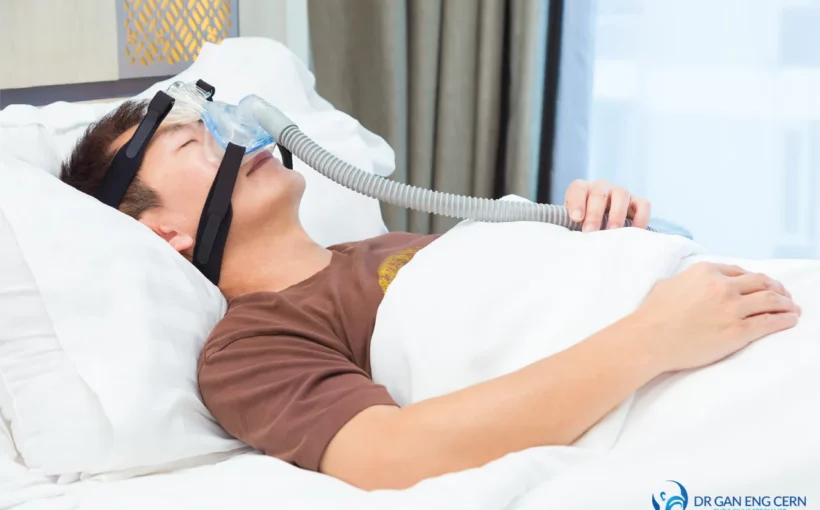
What Is the Patient Journey From Initial Assessment to Diagnosis?
The journey begins when you complete a comprehensive sleep questionnaire Perth providers use to evaluate your symptoms, sleep patterns, and potential risk factors. This initial assessment captures critical information about snoring frequency, daytime fatigue, witnessed breathing pauses, and lifestyle factors that may contribute to sleep disturbances.
The questionnaire serves as a screening tool that helps healthcare professionals determine whether further investigation is warranted. You’ll answer questions about:
- How often you wake during the night
- Your energy levels throughout the day
- Whether you experience morning headaches
- Your bed partner’s observations of your breathing patterns
- Medical history that might affect sleep quality
Based on your responses, a sleep specialist reviews the information to identify red flags for conditions like obstructive sleep apnea or other sleep disorders. If your symptoms suggest a sleep-related breathing disorder, the referral process moves forward to arrange a home diagnostic sleep study.
The patient pathway sleep testing continues with coordination between your referring physician and the sleep testing provider. You’ll receive clear instructions about the upcoming test, including what to expect and how to prepare. This structured approach ensures nothing falls through the cracks between initial assessment and actual testing.
Most patients appreciate this streamlined pathway because it eliminates unnecessary delays. Rather than waiting weeks for an in-lab appointment, you can often receive your home testing equipment within days of completing your initial questionnaire. The entire process from assessment to receiving your testing device typically takes less than a week, making Simple and Accurate Sleep Test Perth Options both efficient and patient-centered.
Your healthcare team remains accessible throughout this phase to address questions or concerns about the upcoming study. This support system helps reduce anxiety about the testing process and ensures you feel confident about the next steps in identifying and addressing your sleep concerns.
How Does Sleep Solutions Australia Facilitate Accurate Sleep Testing and Treatment?
Sleep Solutions Australia is a trusted provider of comprehensive sleep testing services throughout Perth, delivering specialized care for individuals experiencing sleep-related concerns. They have built a strong reputation over the years by combining clinical expertise with advanced diagnostic technology to accurately identify sleep disorders.
End-to-End Patient Care Model
The practice follows an end-to-end patient care model that goes beyond just diagnosing sleep issues. Every stage of the process, from when a patient fills out their initial questionnaire to long-term management strategies, receives dedicated professional attention. This continuity of care eliminates gaps that often happen when patients have to see multiple providers.
Specialized Sleep Disorder Tests
At the core of their diagnostic approach are specialized tests for sleep disorders. The clinic uses advanced home monitoring equipment designed to measure important physiological data such as:
- Oxygen saturation levels throughout the night
- Breathing patterns and airflow disruptions
- Heart rate variability during sleep cycles
- Body position changes that may affect breathing
- Snoring intensity and frequency
Before being used, each device undergoes thorough quality checks to ensure accurate data collection. Patients are given clear instructions on how to set up the equipment, and technical support is available if they have any questions during the testing period.
Experienced Clinical Team
The clinical team consists of experienced sleep physicians who actively participate in research and professional development within the field of sleep medicine. This expertise allows them to interpret test results with a keen eye, identifying subtle patterns that may indicate complex sleep disorders requiring specialized treatment.
Individualized Treatment Planning
When it comes to planning treatment, Sleep Solutions Australia remains committed to precision. Instead of using generic protocols, they create personalized strategies based on each patient’s specific diagnostic findings, lifestyle factors, and personal health goals. This approach takes into account not only the primary sleep disorder but also contributing elements like the patient’s sleep environment, stress levels, and existing medical conditions.
Technology Integration for Patient Communication
Technology plays a crucial role in enhancing patient communication at Sleep Solutions Australia. They have implemented secure platforms that enable seamless information sharing between clinical appointments. Through these platforms, patients can access their test results, track progress metrics, and communicate any concerns without unnecessary delays in receiving guidance from their healthcare providers.
What Are the Benefits of Choosing Simple and Accurate Home Sleep Tests?
Home sleep tests eliminate the need to spend a night in an unfamiliar clinical environment, allowing you to sleep in your own bed while gathering diagnostic data. This non-invasive sleep tests approach means you maintain your regular bedtime routine, which often produces more representative results of your typical sleep patterns compared to a laboratory setting where anxiety or discomfort might affect your rest.
1. Convenient sleep study options
Convenient sleep study options save considerable time and effort. You avoid:
- Travel to and from a sleep clinic
- Taking time off work for overnight appointments
- Adjusting to unfamiliar surroundings during testing
- Waiting weeks for available in-lab appointments
2. Straightforward setup and high success rate
The equipment used for home testing is straightforward to set up, with clear instructions provided by trained professionals. Most patients successfully complete the test on their first attempt, capturing essential data about breathing patterns, oxygen levels, and sleep position throughout the night.
3. Clinically trusted results
Accurate home diagnostics deliver clinical-grade results that sleep physicians trust for making diagnoses. Modern home sleep testing devices measure the same critical parameters used to identify obstructive sleep apnea and related conditions, including respiratory effort, airflow, and blood oxygen saturation. Studies consistently show that appropriately selected home sleep tests produce diagnostic accuracy comparable to polysomnography conducted in sleep laboratories.
4. Cost-effective diagnosis
The cost-effectiveness of home testing makes sleep disorder diagnosis accessible to more patients. Lower overhead costs translate to reduced fees while maintaining the quality of data collection and professional interpretation. Insurance providers increasingly recognize home sleep tests as a valid first-line diagnostic tool, often covering these services when medically appropriate.
5. Ideal testing environment
Privacy and comfort create an ideal testing environment. You wear the monitoring equipment in the privacy of your own home, without feeling observed or self-conscious. This natural setting typically results in sleep that better represents your nightly experience, providing physicians with authentic data to inform their diagnostic decisions.
How Are Personalized Recommendations Made Following Sleep Test Results?
Healthcare professionals analyze the comprehensive data from your home sleep test to create tailored treatment plans specific to your sleep disorder and lifestyle. The test results reveal critical information about breathing patterns, oxygen levels, sleep stages, and movement throughout the night, which form the foundation for personalized sleep recommendations.
Understanding Your Condition
Independent sleep physicians examine multiple data points to understand the severity and nature of your condition. They consider factors like:
- The frequency and duration of breathing interruptions
- Blood oxygen saturation levels during sleep
- Sleep position patterns and their impact on symptoms
- Heart rate variations throughout the night
These insights allow specialists to identify the root causes of your sleep disturbances rather than just addressing symptoms. A patient with mild positional sleep apnea, for example, receives different guidance compared to someone experiencing severe oxygen desaturation events.
Optimizing Your Sleep Environment
Optimizing sleep environment becomes a key component of the recommendation process. Specialists evaluate how your bedroom setup, sleep schedule, and bedtime routines might contribute to or alleviate your condition. They may suggest adjustments to room temperature, lighting, mattress positioning, or humidity levels based on your specific test findings.
Considering Your Lifestyle Factors
The personalized approach extends beyond medical interventions. Healthcare professionals assess your work schedule, stress levels, exercise habits, and dietary patterns to create realistic, sustainable improvements. Someone working night shifts receives different sleep hygiene recommendations than a traditional daytime worker.
Combining Multiple Strategies
Treatment plans often combine multiple strategies tailored to your test results. These may include:
- Specific CPAP pressure settings calibrated to your breathing patterns
- Custom oral appliance specifications
- Weight management targets if obesity contributes to your condition
- Positional therapy techniques for position-dependent sleep apnea
Simple and Accurate Sleep Test Perth Options provide the detailed data necessary for this level of customization. The precision of modern home testing equipment ensures physicians have reliable information to base their recommendations on, making the personalized approach both practical and effective.
Your medical history, age, and any co-existing health conditions also influence the tailored treatment plans developed from your results. A patient with cardiovascular concerns receives recommendations that account for both their sleep disorder and heart health, ensuring comprehensive care that addresses interconnected health issues.
What Ongoing Support Is Available After Diagnosis in Perth?
Patients receive continuous care from their healthcare team well beyond the initial diagnosis. This ongoing support includes regular follow-up consultations to monitor progress, adjust treatment plans as needed, and address any emerging concerns about sleep quality or equipment use.
1. Sleep Physicians’ Role
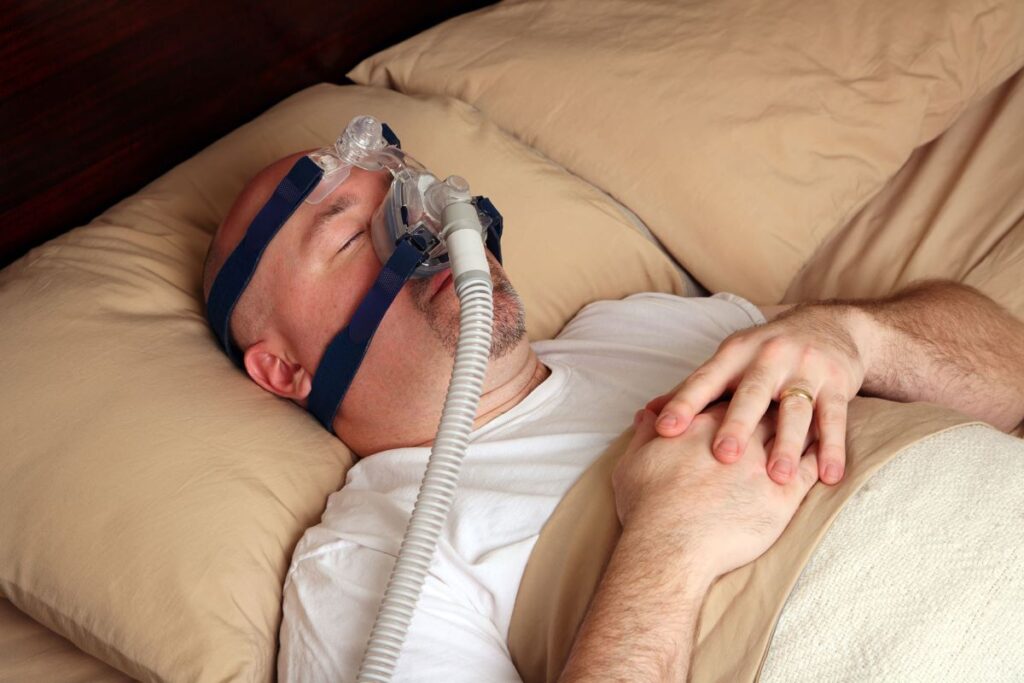
Sleep physicians play a crucial role in managing sleep disorders through periodic reviews to assess treatment effectiveness. This is particularly important for conditions like obstructive sleep apnea where CPAP therapy requires ongoing monitoring. These check-ins allow healthcare teams to:
- Modify pressure settings
- Recommend alternative mask styles
- Explore additional therapeutic approaches based on patient feedback and objective data
2. Troubleshooting Adherence
Many patients face challenges when adapting to new sleep therapies, whether dealing with mask discomfort, equipment noise, or lifestyle adjustments. Dedicated support staff provide practical solutions to these common obstacles through:
- Technical assistance for equipment setup and maintenance issues
- Educational resources explaining proper device usage and cleaning protocols
- Adjustment consultations to optimize comfort and therapy effectiveness
- Motivational support to maintain consistent treatment routines
3. Access to Specialized Resources
Access to specialized resources enhances patient outcomes throughout the treatment journey. Sleep clinics in Perth typically offer online portals where patients can track their therapy data, request supplies, and communicate directly with their care team. Some providers also facilitate support groups where individuals share experiences and coping strategies with others managing similar conditions.
4. Remote Monitoring Capabilities
Remote monitoring capabilities enable healthcare professionals to review therapy compliance and effectiveness without requiring frequent in-person visits. This technology allows for proactive interventions when data indicates declining adherence or suboptimal treatment results, ensuring patients stay on track with their management plans.
Conclusion
Why should Perth residents prioritize sleep testing now?
Early detection transforms outcomes. When sleep disorders remain undiagnosed, they compound into serious health complications including cardiovascular disease, diabetes, and mental health challenges. The best sleep test options Perth offers through providers like Sleep Solutions Australia remove traditional barriers—no hospital stays, no uncomfortable environments, just straightforward testing in your own bed.
What makes these testing options worth considering?
The combination of convenience and precision sets Perth’s home-based sleep testing apart. Patients receive the same diagnostic accuracy as laboratory studies while maintaining their normal routines. Independent sleep physicians analyze your data with the same rigor applied in clinical settings, ensuring accurate diagnosis benefits that lead to targeted treatment plans.
Simple and Accurate Sleep Test Perth Options provide a clear pathway from suspicion to solution. The process respects your time, your comfort, and your need for reliable answers. Sleep Solutions Australia’s comprehensive approach means you’re not just getting a test—you’re accessing a complete care system designed around your specific sleep challenges.
When should you take action?
If you’re experiencing persistent snoring, daytime fatigue, morning headaches, or witnessed breathing pauses during sleep, waiting only extends the impact on your health and quality of life. The accessibility of home testing eliminates excuses. Your sleep matters to your longevity, your relationships, your work performance, and your daily wellbeing.
Take the first step by completing a sleep questionnaire with a trusted local provider. The investment in understanding your sleep health today prevents the costly consequences of untreated sleep disorders tomorrow. Perth residents have access to world-class sleep diagnostics without leaving home—a resource too valuable to ignore when your health hangs in the balance.
See also Find a Bulk-Bill Sleep Study Melbourne Option Today