
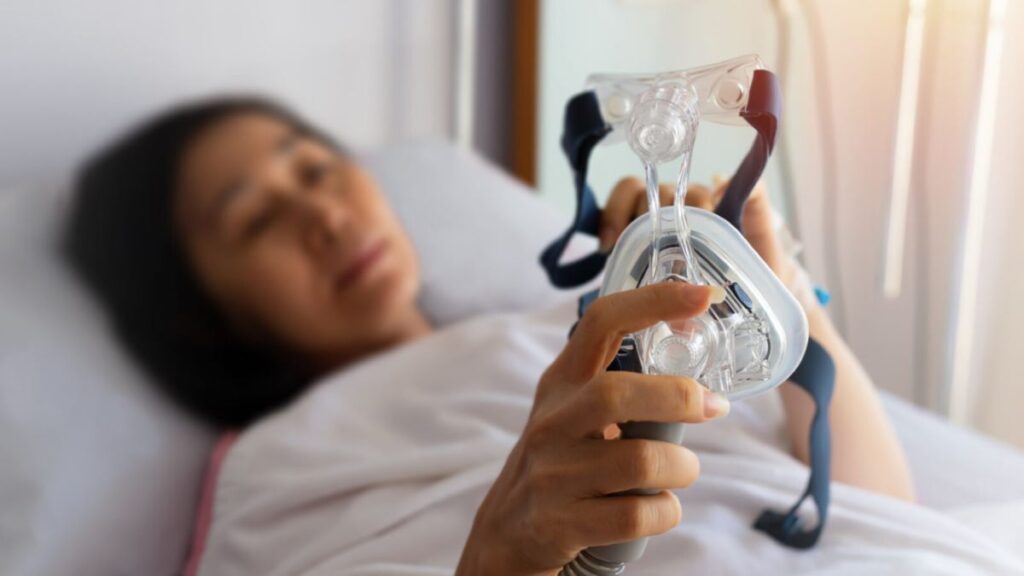
What Is the Future of Sleep Testing That Brisbane Residents Can Access From Home?
The future of sleep testing Brisbane residents can access from home centers on advanced diagnostic technology that eliminates the need for overnight clinic stays. Home sleep testing Brisbane services now provide comprehensive monitoring of sleep patterns using sophisticated sensors that track everything from breathing to brain activity.
A Shift in Sleep Disorder Diagnosis
Sleep Testing Brisbane at home represents a significant shift in how Queenslanders approach sleep disorder diagnosis. Traditional laboratory-based testing required patients to spend uncomfortable nights in unfamiliar clinical environments, often disrupting the very sleep patterns doctors needed to observe. The new generation of portable monitoring devices changes this dynamic entirely.
Benefits for Brisbane Residents
Brisbane residents now benefit from diagnostic equipment that rivals clinic-based systems in accuracy while offering unprecedented convenience. These devices measure:
- Airflow and breathing patterns
- Blood oxygen saturation levels
- Heart rate variability
- Brain wave activity
- Eye and leg movements
- Body positioning throughout the night
Addressing Healthcare Gaps
The technology addresses a critical healthcare gap in Queensland, where wait times for traditional sleep studies have historically stretched weeks or months. Home-based testing accelerates diagnosis while reducing strain on hospital resources. Patients maintain their normal bedtime routines in familiar surroundings, producing more accurate representations of typical sleep behavior.
This diagnostic approach particularly benefits Brisbane’s growing population, where demand for sleep disorder assessment continues rising alongside awareness of conditions like obstructive sleep apnea.
How Do Home-Based Sleep Tests Work?
Home-based sleep tests capture detailed physiological data through specialized sleep study equipment that patients wear during a single night of sleep in their own bed. The test records multiple body functions simultaneously to identify sleep disorders, particularly breathing-related conditions.
The monitoring system uses several types of sensors strategically placed on different parts of the body:
- Nasal cannulas or thermistors detect airflow and breathing patterns
- Chest and abdominal bands measure respiratory effort and body position
- Pulse oximeters (typically worn on the finger) track blood oxygen saturation levels
- Electrodes on the scalp record brain wave activity
- Heart rate monitors capture cardiac rhythms throughout the night
- Sensors near the eyes detect rapid eye movements during REM sleep
- Leg sensors identify periodic limb movements
How Patients Receive Their Equipment
Patients receive their equipment through one of two methods:
- Some clinics schedule a brief fitting appointment where trained clinicians attach the sensors and explain proper usage.
- Other services provide pre-packaged kits with detailed instructions, allowing patients to self-install the devices at home following step-by-step guides or video tutorials.
How Long Does It Take to Set Up?
The setup process typically takes 15-20 minutes.
What Happens During the Sleep Test?
Patients wear the equipment for one full night while maintaining their regular sleep schedule.
What Happens After the Sleep Test?
The following day, patients return the device for physiological parameters monitoring analysis by sleep specialists. This analysis can provide insights into various aspects of health, including identifying potential respiratory issues, which are often uncovered during these comprehensive sleep studies.
Why Are Home Sleep Tests Gaining Popularity Among Brisbane Residents?
What makes home sleep tests increasingly attractive to Brisbane residents? The convenience of home sleep tests eliminates the need for overnight clinic stays, allowing patients to sleep in their own beds while undergoing comprehensive diagnostics.
1. Patient Comfort
Patient comfort reaches new heights when testing occurs in familiar surroundings. Individuals can follow their regular bedtime rituals, use their own pillows, and adjust room temperature to personal preferences—factors that often lead to more accurate sleep data than artificial clinic environments.
2. Accessibility of Sleep Diagnostics
The accessibility of sleep diagnostics Brisbane residents now enjoy addresses several practical barriers:
- Reduced wait times: Home testing programs typically offer faster appointment availability compared to traditional sleep clinics
- Eliminated travel requirements: No need to commute to medical facilities during evening hours or arrange transportation home the following morning
- Privacy preservation: Testing happens without the awareness of being observed by clinical staff throughout the night
Brisbane’s diverse population particularly benefits from this flexibility. Shift workers can schedule tests around their unique sleep patterns. Parents avoid the complexity of arranging overnight childcare. Those with mobility challenges or anxiety about medical settings find home testing significantly less stressful.
The model accommodates busy professionals who struggle to take time off work, elderly patients who prefer familiar environments, and anyone seeking a more natural sleep experience during diagnostic evaluation. This aligns with the growing trend of opting for home sleep studies that offer similar benefits while providing comprehensive insights into one’s sleep health.
Who Can Benefit From Home Sleep Testing In Brisbane?
Do You Need a Doctor’s Referral for Home Sleep Testing?
Yes, eligibility criteria for home sleep tests in Brisbane require a referral from your General Practitioner (GP). Your GP assesses your symptoms and determines whether home-based sleep diagnostics are appropriate for your situation.
Who Are the Ideal Candidates for Home Sleep Testing?
The primary group of individuals who can benefit from this service are those experiencing symptoms of obstructive sleep apnea. This includes:
- Loud snoring
- Gasping during sleep
- Excessive daytime fatigue
- Morning headaches
Additionally, those with suspected sleep breathing disorders, such as irregular breathing patterns or witnessed breathing pauses, also qualify for home testing.
Who Else Can Benefit from Home Sleep Testing?
The future of sleep testing in Brisbane extends beyond just medical diagnostics. Certain occupational groups also require sleep assessments as part of their workplace safety protocols:
- Mining industry workers who operate heavy machinery in potentially hazardous environments
- Heavy vehicle drivers including truck and bus operators who need clearance for commercial licenses
- Aviation personnel and other safety-critical roles requiring fitness-for-duty certification
How Do GP Referrals Fit into Sleep Studies?
GP referrals for sleep studies play a crucial role in ensuring proper screening before testing begins. Your doctor evaluates whether your symptoms align with conditions that can be detected through home monitoring, or if you need more comprehensive in-clinic polysomnography.
Patients with complex medical histories or multiple sleep disorder symptoms may require traditional laboratory testing for accurate diagnosis.
What Are The Benefits Of Home-Based Sleep Testing Compared To Traditional Clinic Studies In Brisbane?
Home-based sleep testing eliminates the discomfort of sleeping in unfamiliar clinical environments. The non-invasive diagnosis process requires no needles, surgical procedures, or uncomfortable interventions—just sensors that monitor your natural sleep patterns.
The advantages of home sleep tests extend beyond comfort to significant financial relief. Many Brisbane providers offer bulk-billing for sleep tests, meaning eligible patients face zero out-of-pocket expenses. This contrasts sharply with traditional sleep clinic studies that often involve substantial fees for facility use and overnight monitoring staff.
Time efficiency represents another compelling benefit:
- Reduced waiting periods: Home tests bypass lengthy clinic booking queues
- Streamlined analysis: Digital data transfers enable faster processing
- Quicker treatment initiation: Results reach GPs within days rather than weeks
Brisbane’s healthcare system benefits equally from this shift. Home testing reduces the burden on hospital sleep laboratories, freeing up clinical resources for patients requiring more complex diagnostic procedures. The elimination of overnight facility stays means fewer staff hours dedicated to supervision and more capacity for critical care services.
The convenience factor cannot be overstated—patients sleep in their own beds, maintain regular bedtime routines, and avoid the stress of overnight hospital stays. This natural sleep environment often produces more accurate results than artificial clinic settings where anxiety and unfamiliarity can distort typical sleep patterns.
How Do Healthcare Providers Manage And Utilize Results From Home Sleep Tests In Brisbane?
What happens after you complete your home sleep study? Once you’ve finished your overnight recording, you return the equipment to the clinic where specialized staff begin the analysis of home sleep test results. This process involves downloading the data captured by the sensors and electrodes, which recorded your breathing patterns, oxygen levels, heart rate, and body movements throughout the night.
The clinic’s sleep specialists review this comprehensive data to identify any abnormalities or patterns indicating sleep disorders. They compile a detailed report that includes:
- Frequency and severity of breathing interruptions
- Blood oxygen saturation levels during sleep
- Heart rate variations throughout the night
- Body position changes and movement patterns
- Overall sleep quality indicators
This report is then forwarded directly to your referring GP, establishing a clear communication pathway between the sleep clinic and your primary healthcare provider. The turnaround time for this process typically ranges from a few days to a week, depending on the clinic’s workload and the complexity of your case.
Your GP consultation after testing becomes the critical next step. During this appointment, your doctor interprets the results within the context of your medical history, symptoms, and lifestyle factors. They explain what the findings mean for your health and discuss appropriate treatment options, which might include CPAP therapy, lifestyle modifications, or referrals to sleep specialists for complex cases.
What Does The Future Look Like For Sleep Testing Accessibility In Brisbane?
The future of sleep testing for Brisbane residents is being shaped by technological innovation that promises greater accuracy and user-friendliness. Here’s what we can expect:
1. Smaller, More Comfortable Sensors
Advanced sensors are becoming smaller and more comfortable, making it easier for individuals to wear them during sleep without any discomfort.
2. Enhanced Data Interpretation with Artificial Intelligence
Artificial intelligence algorithms are being used to enhance data interpretation, allowing for the detection of subtle sleep patterns that earlier systems might have missed.
3. Expanded Service Coverage
Future trends in sleep testing in Brisbane will see expanded service coverage reaching suburbs and regional areas that were previously underserved by traditional sleep clinics.
4. Mobile Health Units and Postal Delivery Systems
Mobile health units and postal delivery systems are being implemented to make diagnostic equipment available to residents regardless of their location, eliminating geographic barriers to care.
5. Telehealth Integration
Telehealth integration represents a significant advancement in the future of sleep testing for Brisbane residents. Virtual consultations will allow sleep specialists to review preliminary results with patients remotely, provide real-time troubleshooting during test setup, offer immediate guidance on equipment use, and conduct follow-up appointments without travel requirements.
6. Patient-Centered Care Models
Patient-centered care models are prioritizing rapid diagnosis pathways that compress the timeline from initial consultation to treatment initiation. Automated reporting systems will process test data within 24-48 hours, enabling general practitioners (GPs) to schedule treatment discussions quickly.
7. Wearable Technology Integration
Wearable technology integration is emerging as another frontier in sleep testing, with smartwatch-compatible sensors potentially offering continuous monitoring rather than single-night assessments. Check out more about Adelaide Sleep Study Cost: What Influences the Price and How to Choose the Right Provider.
How Is Home-Based Sleep Testing Transforming Access To Care For Brisbane Residents?
Home-based sleep testing is reshaping healthcare delivery by placing diagnostic power directly in patients’ hands. This shift creates a triple benefit: patients experience less disruption to their daily lives, health outcomes improve through faster diagnosis, and the healthcare system operates more efficiently by reducing clinical bottlenecks.
1. Enhanced Patient Comfort
Patient comfort reaches new heights when testing happens in familiar surroundings. Sleep data collected from one’s own bed reflects natural sleep patterns more accurately than clinic environments, leading to more reliable diagnoses. Privacy concerns disappear, and the anxiety associated with overnight hospital stays becomes irrelevant.
2. Improved Healthcare System Efficiency
Healthcare system efficiency improves dramatically as clinics redirect resources toward complex cases requiring in-person attention. Wait times shrink, more residents gain access to testing, and bulk-billing options make diagnostics financially accessible to broader populations. The streamlined process—from GP referral to equipment setup to results analysis—means Brisbane residents receive answers weeks faster than traditional methods.
3. Promising Future Innovations
The future of home sleep testing Brisbane residents can access promises continued innovation. Wearable sensors become smaller and smarter, telehealth integration provides real-time support, and data analytics deliver increasingly precise diagnoses.
If you suspect sleep issues affect your health or work performance, speak with your GP about home testing options. This benefits recap highlights one clear message: convenient, accurate sleep diagnostics are no longer a future possibility—they’re available now across Brisbane.