
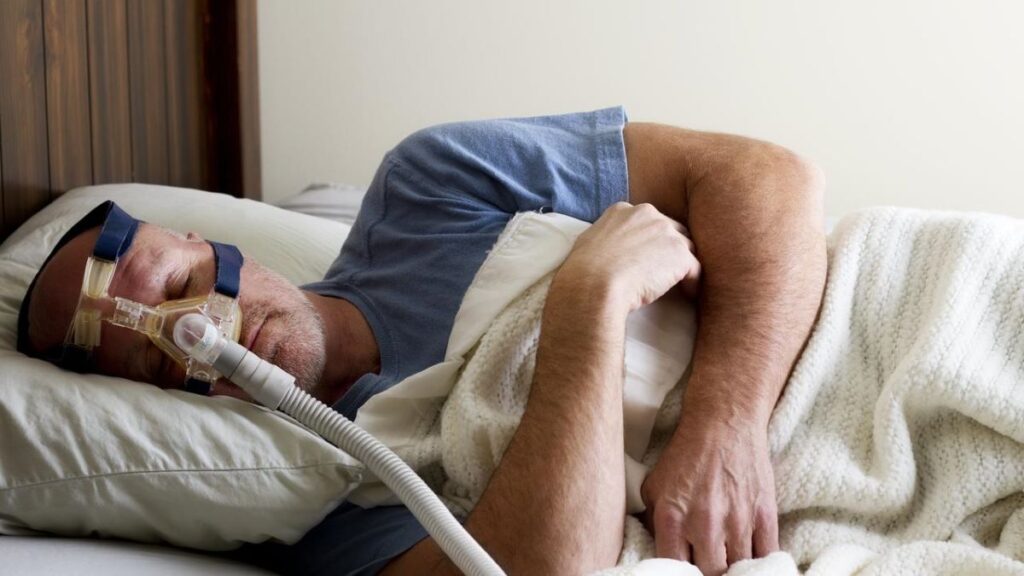
In Brisbane, booking a sleep study is usually straightforward once they know whether they need a clinic based study or a home sleep test, and what paperwork is required. This guide explains the booking process and what typically happens before, during, and after the test.
What is a sleep study and who is it for?
A sleep study measures breathing, oxygen levels, heart rate, sleep stages, and movement to help diagnose sleep disorders. For those wanting a clearer understanding of local testing options, you can check out more about sleep study services in Brisbane. It is commonly used to check for obstructive sleep apnoea, but it can also support investigation of insomnia, restless legs, and other sleep related issues.
They may be a good candidate if they have loud snoring, witnessed breathing pauses, morning headaches, dry mouth, frequent night waking, or strong daytime sleepiness.
Do they need a GP referral to book a sleep study in Brisbane?
Many people start with a GP referral, especially if they want Medicare rebates through a specialist pathway. A referral can also help the clinic choose the most suitable test type and urgency based on symptoms and risk factors.
Some providers allow self referral for private home sleep tests. If they go this route, they should confirm upfront whether rebates apply, what the total cost is, and who interprets the results.
What types of sleep studies are available in Brisbane?
Most people will be offered either an in lab overnight study or a home based sleep test. In lab studies are more comprehensive and are usually recommended when symptoms are complex, when other sleep disorders are suspected, or when a prior home test was inconclusive.
Home sleep tests are often used for straightforward suspected sleep apnoea. They are typically more convenient and can be faster to schedule, but they usually capture fewer signals than a full laboratory study.
How do they choose a sleep clinic in Brisbane?
The right clinic is usually the one that matches their needs, budget, and timeline. They should check whether the clinic is linked to a respiratory or sleep physician, who scores the study, and whether follow up care is available if treatment is needed.
It also helps to confirm practical details like wait times, parking, what the report includes, and whether they can access CPAP trials, masks, and ongoing support if a diagnosis is made.
How do they book a sleep study step by step?
Booking is usually a short process once they have the referral or have chosen a private provider. Most clinics follow a similar flow:
- They contact the clinic or submit an online enquiry.
- They share referral details, symptoms, and medical history.
- The clinic recommends a home test or in lab study.
- They receive cost information and available dates.
- They confirm the booking and receive pre test instructions.
If they are unsure what to ask, they can request a written quote, inclusions, and the expected timeframe for results.
What should they do to prepare for the sleep study?
Preparation is usually simple and focused on keeping sleep as normal as possible. They are often asked to avoid caffeine late in the day, avoid alcohol on the test night, and keep their usual medications unless told otherwise.
They should bring comfortable sleepwear and toiletries for an in lab study. For a home test, they should read the setup instructions carefully and confirm who to call if the device alarms or a sensor comes off.
What happens during an in lab sleep study?
In a sleep lab, a technician places sensors on the scalp, chest, and legs, plus airflow and oxygen monitors. This can look like a lot of equipment, but it is designed to be safe and painless while capturing detailed data.
They sleep in a private room while the system records overnight. Staff monitor the signals and may adjust a sensor if it detaches, then they are usually able to leave early in the morning.
What happens during a home sleep test?
A home sleep test usually involves a small monitor, a finger oxygen probe, and breathing sensors. The clinic typically demonstrates setup or provides a video guide, then they take the device home for one or more nights.
In the morning, they return the device or arrange collection. The clinic then downloads the data, checks signal quality, and sends the study for scoring and medical interpretation. Click here to learn more about Sleep Investigation Unit.
How long does it take to get results and what happens next?
Results timing varies by provider, but many people receive a report within a few days to a couple of weeks. The next step is usually an appointment to explain the findings and discuss treatment options if a disorder is diagnosed.
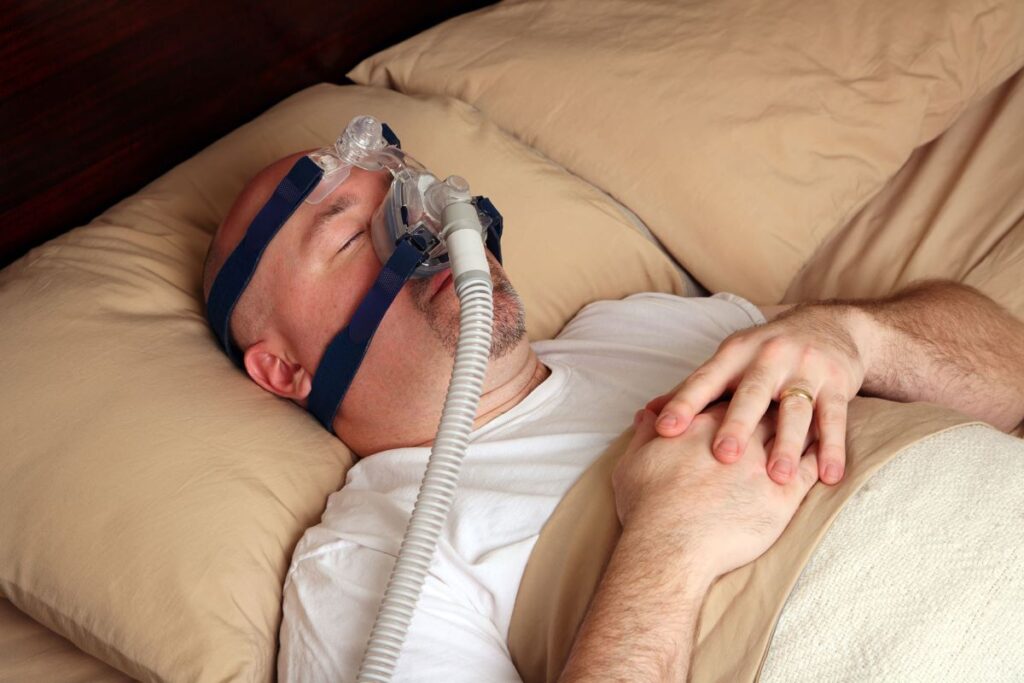
If sleep apnoea is confirmed, they may be offered CPAP therapy, a mandibular advancement device through a dentist, weight and lifestyle support, positional therapy, or further specialist assessment depending on severity and anatomy.
What should they expect to pay in Brisbane?
Costs vary based on test type, provider, and whether rebates apply. An in lab study is typically more expensive than a home sleep test, but it also provides more comprehensive information.
They should ask for a clear breakdown that includes the study, scoring, medical interpretation, follow up appointments, equipment hire if applicable, and any extra fees for repeat testing.
What are common mistakes to avoid when booking?
The most common issue is choosing the fastest option without confirming what is included. They should avoid booking before they understand who interprets the test, whether follow up care is offered, and what happens if the test is inconclusive.
They should also avoid changing sleep habits drastically right before the study. The goal is to capture a typical night so the results reflect their real world sleep.
Related : What Is a Sleep Study Australia and How Does It Work?