
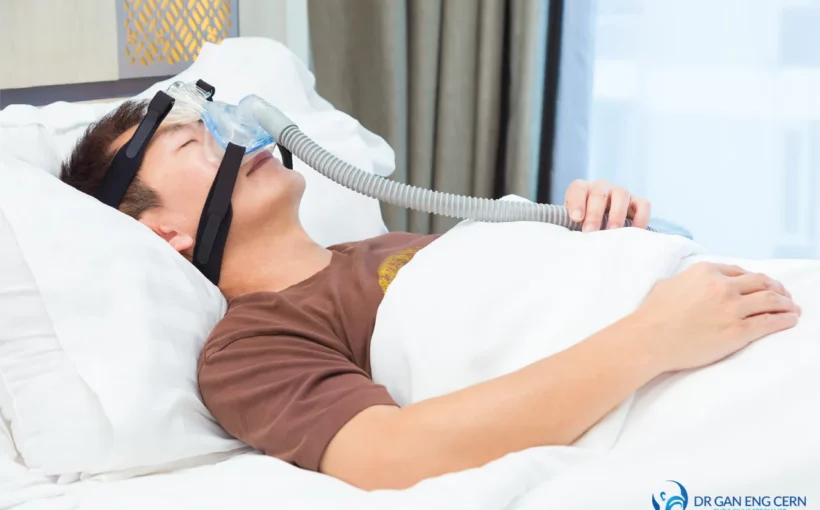
The exact setup depends on symptoms, risk factors, and whether the study is done at home or in a sleep clinic.
What is a sleep study in Australia?
A sleep study (also called a sleep test or polysomnography) is a medical assessment that measures what happens to the body during sleep. People looking for more information about professional sleep testing services in Australia can visit https://sleepsolutionsaustralia.com/ for further details. It is used to identify sleep disorders that cannot be diagnosed reliably from symptoms alone.
In Australia, sleep studies are typically arranged through a GP, a sleep physician, or sometimes a dentist-led sleep service that works with a sleep clinic.
Why would someone need a sleep study?
They may need a sleep study if symptoms suggest a disorder that affects breathing, sleep quality, or daytime functioning. Common reasons include loud snoring, choking or gasping during sleep, morning headaches, unrefreshing sleep, and excessive daytime sleepiness.
It can also be recommended when someone has high blood pressure, atrial fibrillation, type 2 diabetes, obesity, or other risks that commonly overlap with obstructive sleep apnoea.
What kinds of sleep studies are available in Australia?
Most people are offered either an in-lab sleep study or a home sleep study, depending on clinical need. In-lab studies are more comprehensive and are supervised by trained staff, while home studies are simpler and focus mainly on breathing-related problems.
Some services also use limited screening tools first, then escalate to a full study if results are unclear or symptoms are severe.
How does an in-lab sleep study work?
They attend a sleep clinic at night and sleep in a private room while sensors record multiple signals. Staff attach sensors to the scalp, face, chest, and legs, plus belts around the chest and abdomen and a finger probe for oxygen.
These measurements help clinicians see sleep stages, breathing events, heart rhythm, snoring, body position, and limb movements across the night.
How does a home sleep study work?
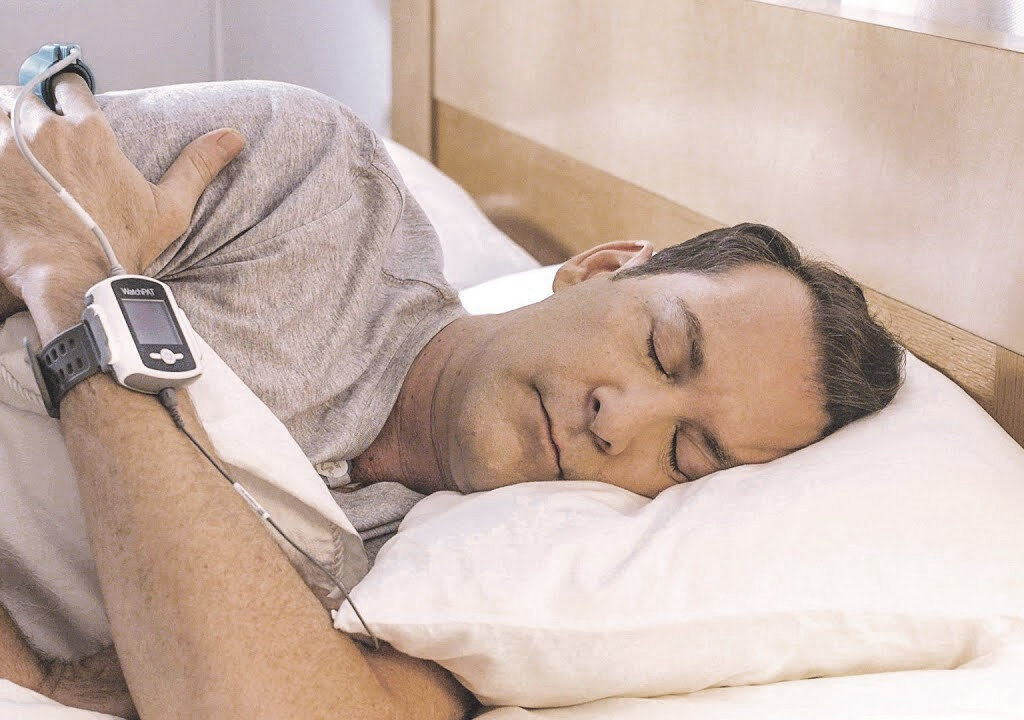
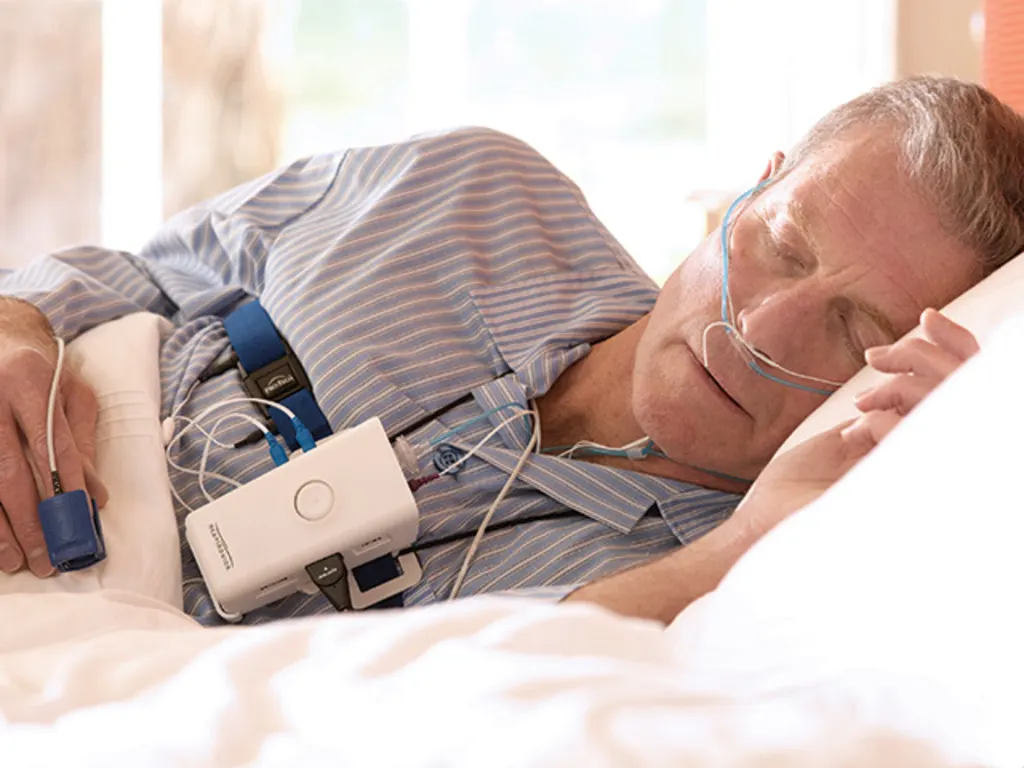
They take home a small monitoring kit, set it up before bed, and return it the next day. Most home studies record airflow, breathing effort, oxygen levels, heart rate, and sometimes snoring and body position.
Because home studies usually do not measure brain waves, they estimate sleep time rather than directly confirming sleep stages, which can affect accuracy for some conditions.
What does a sleep study measure?
A sleep study measures signals that explain both sleep quality and breathing stability. Depending on the test type, it can include oxygen saturation, airflow, breathing effort, heart rate, sleep stages, eye movements, muscle tone, limb movements, and body position.
These data points help identify patterns such as repeated airway collapse, frequent arousals, or movement-related sleep disruption.
What conditions can a sleep study diagnose?
Sleep studies are most commonly used to diagnose obstructive sleep apnoea (OSA), where the airway narrows or collapses during sleep. They can also help diagnose central sleep apnoea, hypoventilation syndromes, periodic limb movement disorder, and some parasomnias when an in-lab study is used.
For insomnia, a sleep study is not always required, but it can rule out hidden breathing or movement issues that mimic insomnia.
What happens before the sleep study?
They are usually asked about symptoms, medical history, medications, alcohol intake, and typical sleep patterns. The clinic may provide instructions such as avoiding naps, limiting caffeine late in the day, and bringing comfortable sleepwear.
If it is a home test, they may receive a quick fitting lesson, written instructions, or a support number in case the setup is confusing.
Other Resources : Caffeine effects on sleep
What happens during the sleep study night?
They sleep as normally as possible while sensors record throughout the night. In a lab, staff can adjust sensors if one becomes loose, and they may add a small camera or audio to capture snoring and movement.
If severe sleep apnoea is obvious early, some labs may perform a “split-night” study, where the second half tests CPAP therapy to see if breathing improves.
What happens after the sleep study?
A sleep scientist scores the recording, then a clinician interprets the results and writes a report. They are usually given key metrics such as the Apnoea-Hypopnoea Index (AHI), oxygen desaturation levels, and notes on snoring, sleep time, and arousals.
Next steps may include CPAP, an oral appliance, weight and lifestyle changes, positional therapy, further testing, or referral to another specialist.
How long does it take to get results in Australia?
They may receive results anywhere from a few days to a few weeks, depending on the clinic and whether specialist review is required. Home studies can sometimes be processed faster, but complex cases may take longer.
If symptoms are severe and safety is a concern, clinics may prioritise the report so treatment can start sooner.
Is a sleep study covered by Medicare or private health insurance?
They may be eligible for Medicare rebates for certain sleep studies when the test is clinically indicated and arranged appropriately. Private health insurance may cover part of an in-lab study cost depending on the policy, waiting periods, and whether the provider is included.
Because fees and rebate rules vary, they typically need to confirm costs with the clinic and their insurer before booking.
How should someone prepare to get the best sleep study data?
They should aim for a normal day and a normal bedtime routine so the study reflects typical sleep. That usually means avoiding heavy alcohol, bringing their usual pillow if allowed, and taking regular medications unless told otherwise.
For home studies, careful sensor placement matters, so it helps if they follow the fitting steps closely and secure cables to reduce detachment overnight. You may like to visit https://eyecareprofessions.com/book-sleep-study-brisbane-expectations/ to learn how to book a sleep study Brisbane and what to expect.
What should they do if they cannot sleep during the study?
They should not panic because sleep clinics expect some restlessness. Even a few hours of recorded sleep can be enough to detect moderate to severe sleep apnoea, and in-lab monitoring can still capture useful breathing patterns.
If insomnia is the main issue and results are inconclusive, the clinician may recommend an in-lab study, actigraphy, or a different diagnostic pathway.
What does treatment look like after a positive sleep apnoea result?
They are commonly offered CPAP, which uses gentle air pressure to keep the airway open. If CPAP is not suitable, alternatives can include a mandibular advancement splint (oral appliance), positional therapy, weight management, nasal therapy, or surgery in selected cases.
Follow-up matters because the best outcomes usually come from adjusting the treatment to improve comfort, fit, and real-world use.
How can they choose between a home and in-lab sleep study?
They usually choose based on symptoms and complexity rather than convenience alone. Home studies are often suitable when obstructive sleep apnoea is strongly suspected and there are no major complicating medical conditions.
In-lab studies are more suitable when symptoms are unusual, results must be highly detailed, or other disorders like limb movements or parasomnias are suspected.